3 Hidden Dangers of Raising Cats With Kids (What I Learned the Hard Way)
You may have seen heartwarming videos or photos online of cats and children interacting together, and thought to yourself, ‘How adorable!’
Especially when you see cute little kids interacting with cats, it's enough to melt your heart.
Then, you might impulsively want to get your own child a pet.
Hold on—if you have children and want to get a cat, you need to first consider the risks of owning a cat.
First, we all know that children are still at an age where they are largely unaware and inexperienced. The way they express their affection for things cannot be as controlled as an adult’s.
Allowing them to interact with cats can lead to the following risks.
1. Lack of restraint
When children like a toy, they tend to carry it around with them everywhere they go, playing with it until they get bored.
When children like cats, it’s the same. They also love to pick up the cat and take it around the house.
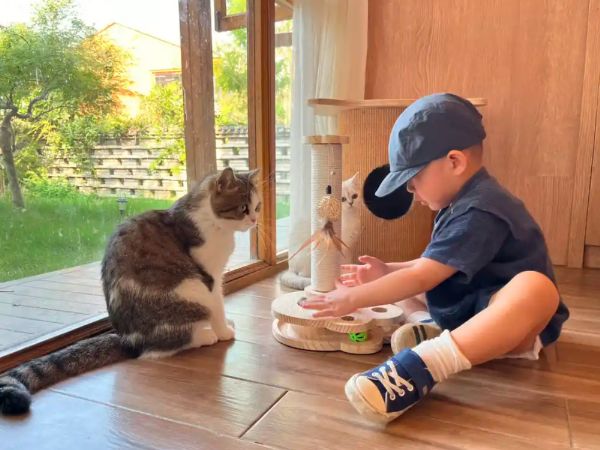
Although cats have a high tolerance for children, they are living beings with their own “wishes.” Sometimes, they may accidentally scratch a child while trying to escape if they feel pain.
Cats are relatively independent animals and prefer to spend most of their time alone in peace and quiet.
However, children have boundless energy. As the saying goes, ‘A four-year-old child can tire out an NBA player.’
Having cats spend prolonged periods with children is also a form of ‘torment’ for the cats. Cat: ‘This is too much for me!’
2. Forced Business
Children all share one common trait: ‘every child is a genius artist.’ Many children love to draw on walls, tables, and floors.
However, once you have a cat, do you think the child will spare the cat?
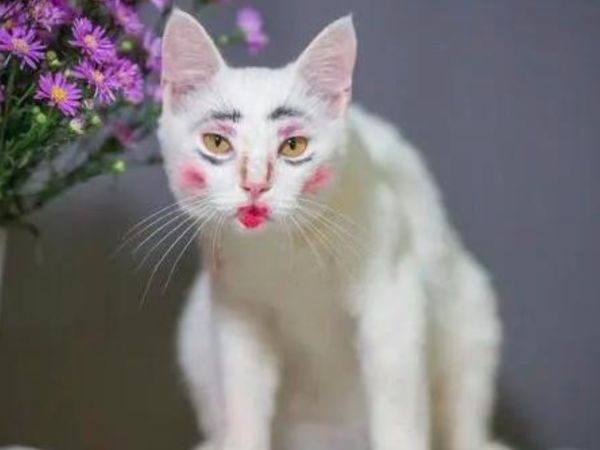
If the mother at home likes to apply makeup, her cosmetics may also be forcibly used.
Additionally, using the cat as a pillow, doll, or mount, among other things, leads to various instances of forcing the cat to endure such treatment as the child's imagination runs wild.
3. Physical Abuse
The final form of harm is truly painful for the cat: ‘hitting the cat.’
For mischievous children, they often tease the cat out of curiosity, such as pulling its ears, spanking its buttocks, or tugging at its face.
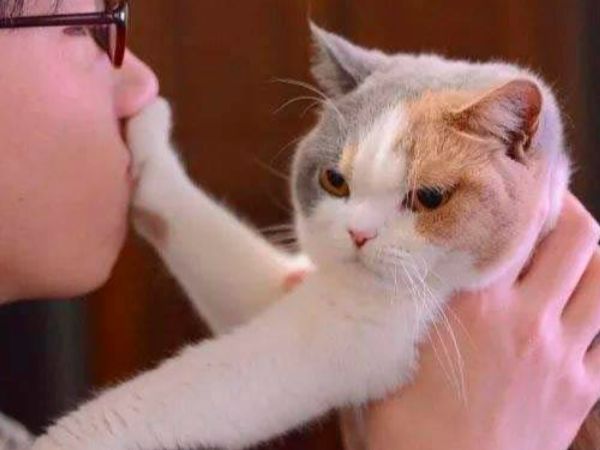
More extreme ‘naughty children’ may try to make the cat obey them by hitting it, or vent their frustration by scolding or hitting the cat.
Many children handle cats without any sense of restraint, and some are simply too mischievous. Therefore, in situations where children cannot be taught to treat living beings with care, it is not recommended to keep cats, with the primary reason being that ‘it's too hard on the cats.’
3 Hidden Dangers of Raising Cats With Kids (What I Learned the Hard Way)
7 Vet-Approved Cat Care Truths (No. 4 Saves Lives!)
7 Must-Knows Before Bringing Home a Stray Cat (I Learned the Hard Way!)

7 Cat Naming Hacks That Stuck (No. 5 Made My Vet Laugh!)

5 Deadly Deworming Mistakes I Made (Vet’s #1 Tip Saved My Cat!)

My $0 Cat Adoption Secret (and the $300/Month Reality Check!)

10 Must-Know Summer Cat Care Tips (Save Your Feline Friend From Heat!)